Discover how traditional architecture and contemporary design can come together to create homes that celebrate the past while embracing the comforts of modern life.
The Charm of Traditional Homes
Traditional homes have a character that can be difficult to reproduce in new construction.
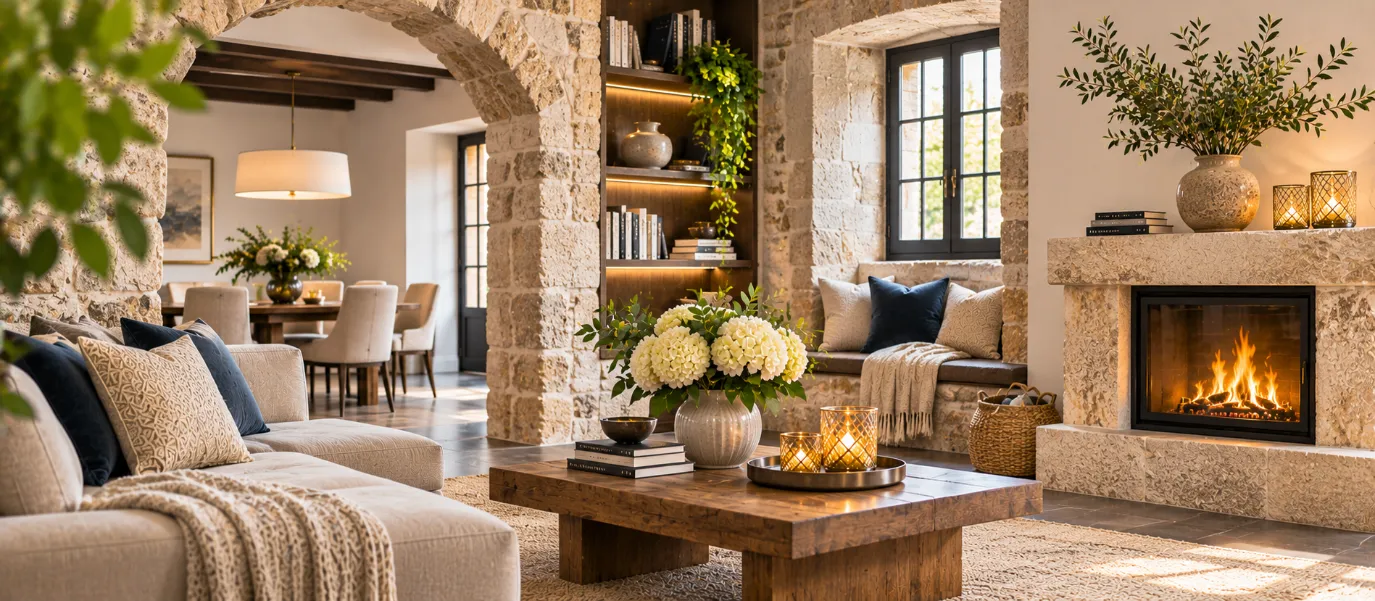
Stone walls, wooden beams, decorative tiles, and distinctive architectural details often reflect the materials, craftsmanship, and building traditions of earlier generations.
Throughout Viseu and the surrounding region, older properties offer opportunities to appreciate these qualities while imagining how they might accommodate contemporary lifestyles.
For homeowners and designers, the challenge is often finding the right balance between preserving a building’s identity and adapting it to modern expectations.
Preserving What Makes a Home Distinctive
One of the greatest attractions of traditional architecture is its individuality.
An original stone doorway, a carefully constructed staircase, or exposed wooden ceiling beams can become defining features of a home.
Rather than removing these elements during renovation, thoughtful design can incorporate them into a contemporary interior.
Preserving original features can help maintain a connection to a property’s history while giving individual rooms a distinctive visual identity.
The result can be a home that feels both authentic and comfortably modern.
Introducing Contemporary Comfort
While traditional architecture offers character, older homes may require improvements to meet modern expectations.
Insulation, heating, ventilation, electrical systems, and plumbing can all influence comfort and functionality.
Thoughtful renovations may also improve natural lighting, create more practical kitchens and bathrooms, or adapt existing spaces to changing household needs.
The objective is not necessarily to transform an older property into something entirely new.
Instead, modern improvements can complement traditional features, allowing the home to retain its personality while functioning more effectively for everyday living.
The Role of Interior Design
Interior design can help bridge the gap between traditional architecture and contemporary lifestyles.
A room with exposed stone walls might benefit from simple furniture, restrained colors, and carefully positioned lighting.
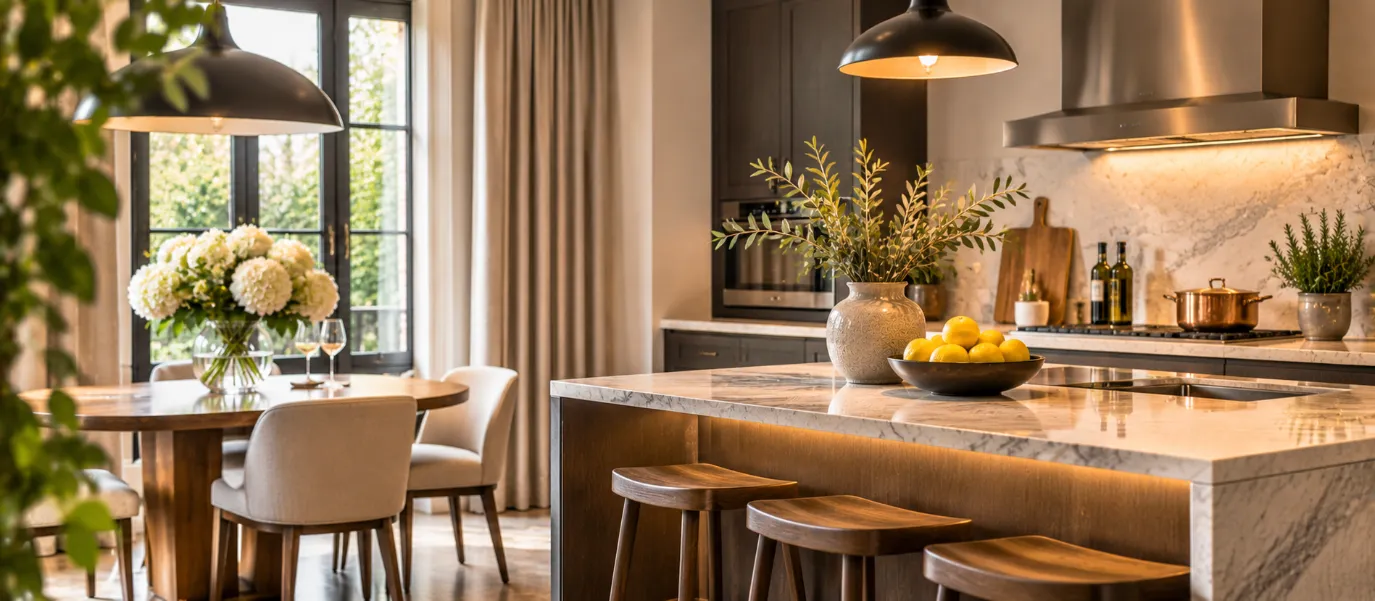
Traditional wooden flooring can provide warmth alongside modern furnishings, while contemporary kitchens can introduce functionality without overwhelming the character of the surrounding architecture.
The relationship between old and new does not have to depend on dramatic contrasts.
Sometimes the most effective designs are those where contemporary additions feel like a natural continuation of the existing space.
A Thoughtful Approach to Renovation
Renovating a traditional property requires careful consideration.
Older buildings may contain structural characteristics, materials, or construction methods that call for specialist knowledge.
Architects, engineers, builders, and skilled craftspeople can help assess what should be preserved, what needs improvement, and how changes can be introduced responsibly.
Depending on the property’s location and heritage status, renovation work may also be subject to specific planning or preservation requirements.
Understanding these considerations before beginning a project can help protect both the building’s character and the investment involved.
Bringing the Past into the Present
Traditional homes remind us that architecture is more than a collection of rooms and materials. It reflects the people, skills, and ways of life that shaped a place over time.
Contemporary living introduces new expectations, technologies, and possibilities.
When these two perspectives are brought together thoughtfully, the result can be a home that respects its history while offering the comfort and functionality of modern design.
In Viseu, where traditional architecture remains part of the region’s visual identity, this balance offers an interesting opportunity to create homes with lasting character.
Sometimes, the most compelling approach to modern living begins by appreciating what is already there.